วาวเตอร์ “วอลลี่” เดอ แบคเกอร์ซึ่งเป็นที่รู้จักกันดีภายใต้ชื่อเวทีของเขา Gotye และสำหรับซิงเกิลได้รับความนิยมของเขา “Somebody That I Used to Know” บอกว่านักบัญชีได้นำมาเป็นจำนวนมาก ความเครียดส่วนตัว ในชีวิตของเขา
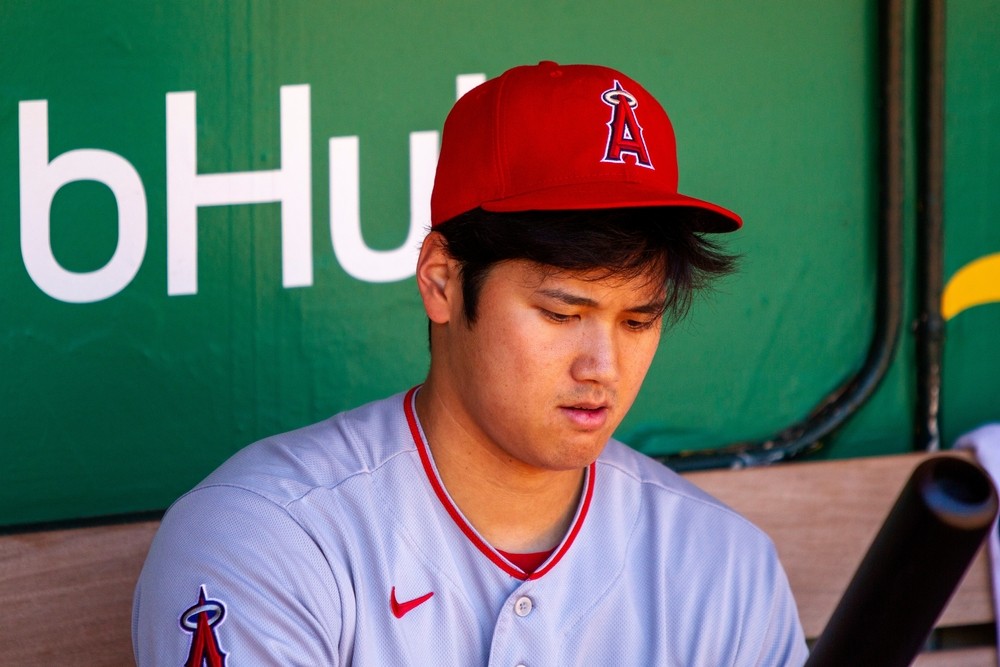
มิซูฮาร่าถูกปล่อยออกจากทีมในวันพุธหลังจากรายงานจาก Los Angeles Times และ ESPN เกี่ยวกับความสัมพันธ์ของเขากับเจ้ามือรับแทงที่ผิดกฎหมาย และการอ้างจากทนายความของ Ohtani ว่าดาราญี่ปุ่นแบบสองทางได้ตกเป็นเหยื่อ “การโจรกรรมครั้งใหญ่”
คณะกรรมาธิการเล่นเกมเนวาดาอนุมัติใบอนุญาตในวันพฤหัสบดีสำหรับผู้บริหารของ Bally ที่เกี่ยวข้องกับ Tropicana Las Vegas ซึ่งจะปิดวันที่ 2 ม.ย.อย่างไรก็ตาม คณะกรรมาธิการไม่ประสบความสำเร็จในการเสนอราคาโดย Standard General ของกองทุนป้องกันความเสี่ยงของ Bally Soo Kim เพื่อซื้อหุ้นที่เหลือในบริษัท
Standard General เป็นเจ้าของหุ้น 23% ใน Bally’s ในฐานะผู้ถือหุ้นรายใหญ่ที่สุดและพยายามซื้อหุ้นในราคาละ 15 ดอลลาร์ข้อเสนอ 38 ดอลลาร์ต่อหุ้นในปี 2022 ไม่สำเร็จ
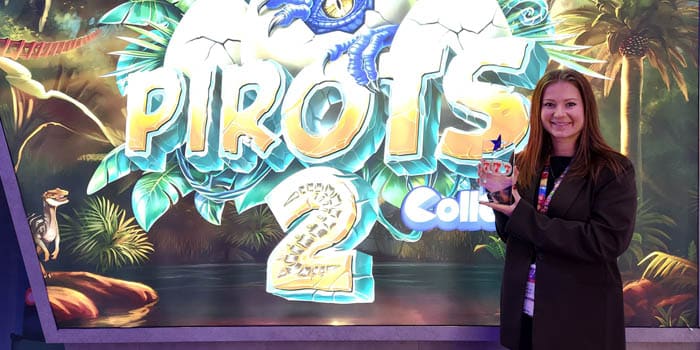
สล็อตเว็บไซต์ตรง เครดิตฟรี รูปแบบใหม่มาพร้อมกราฟิกแบบ 3D หรือที่เรียกว่า “สล็อตแบบสามมิติ” กำลังเป็นที่นิยมของเกมเจ้าแรกในวงการเกมออนไลน์ ด้วยพลังแรงของเทคโนโลยีใหม่สล็อตแบบ 3D ได้รับความนิยมอย่างมากในช่วงสองสามปีที่ผ่านมา ด้วยรูปแบบกราฟิกที่สมจริงและการเล่นที่ได้รับความนิยมจากผู้เล่นที่หลากหลายสล็อตในรูปแบบ 3D ไม่เพียงเป็นเกมที่มีภาพสวยงามและรางวัลที่มั่นคง
จากนั้นเพอร์รี่ก็เริ่มการเดินทางที่ยากลำบากในการเลิกการพนันเขายอมรับว่าเขาเล่นการพนันสองสามครั้งโดยซื้อตั๋วลอตเตอรีและการ์ด FIFA แต่ไม่คิดว่าการกำเริบครั้งนี้เป็นสิ่งที่ไม่ดีตามที่เพอร์รี่กล่าวว่าการเลิกการพนันคือ “เส้นโค้งการทำความเข้าใจ”
หน่วยงานกำกับดูแลทำให้เห็นว่าแนวทางใหม่มุ่งเน้นไปที่การลงทะเบียนภายใต้พระราชบัญญัติแห่งชาติเกี่ยวกับเกมส์นอกริมตลิ่งของอันตรายแทนการลงทะเบียนภายใต้พระราชบัญญัติแห่งชาติเพื่อการแข่งขันกีฬาแห่งชาติ (LOK) ที่กำลังจะมาถึงได้ผลให้ผู้ประกอบการที่ไม่มีเอกสารสิทธิ์ย่อยหรือใบอนุญาตหลักที่มีอยู่ไม่สามารถสมัครได้จนกระทั่งจะมีการดำเนินการ LOK
สำหรับการอ้างอิง LOK เป็นชุดข้อบังคับใหม่ที่จะเปลี่ยนวิธีการควบคุมการพนันในดินแดนและยังคงมีการปรึกษาโดยสมาชิกรัฐสภาปัจจุบันประเทศเกาะใช้ระบบใบอนุญาตหลักและใบอนุญาตย่อยซึ่งจะออกใบอนุญาตให้กับผู้ถือใบอนุมัติหลักหกคนจากนั้นผู้ถือใบอนุมัติหลักสามารถออกใบอนุมัติย่อยให้กับ บริษัท อื่นๆ
ที่ผ่านมาอินโดนีเซียได้ออกคำวิจารณ์และการเตือนกับ X เกี่ยวกับโฆษณาที่มีผลิตภัณฑ์การพนันที่ผิดกฎหมายประหลาดใจประเทศยังคงมองเห็นโฆษณาดังกล่าวปรากฏบนแพลตฟอร์มยังคงอยู่
สำเร็จให้ กระทรวงการสื่อสารและเทคโนโลยีสารสนเทศของอินโดนีเซีย เรียกผู้แทน X ในวันอังคารเพื่อปรึกษาหารือและขอคำแนะนำเกี่ยวกับเรื่องนี้ในระหว่างการแถลงข่าว เซมูเอล อาบริจานี ปังเกราปันผู้อำนวยการทั่วไปฝ่ายประยุกต์ใช้สารสนเทศที่กระทรวงอธิบายว่าทีมของเขากำลังพยายามปรับแก้กระบวนการกำหนดและลบเนื้อหาการพนันที่ผิดกฎหมาย
ถึงแม้ว่ากระทรวงแจ่มแจ้งเตือนอยู่แล้วทุกคราวที่เจาะจงเนื้อหาดังกล่าว แต่การต่อสู้ต่อเนื่องมักจะอ่อนล้า Pangerapan ยอมรับผู้อำนวยการทั่วไปแนะนำว่าระบบอัตโนมัติจะสามารถแก้ปัญหานี้ได้ และขอให้ X ทำมากขึ้นเพื่อป้องกันการโฆษณาการพนันที่ผิดกฎหมาย
อินโดนีเซียกังวลเกี่ยวกับการแพร่กระจายของโฆษณาการพนันที่ผิดกฎหมายมาระยะหนึ่งโดยแสดงให้เห็นว่าโฆษณาบน X มักเกี่ยวข้องกับคนดังทำให้ลูกค้าดึงดูดมากได้ผลให้ผู้ใช้ X จะสัมผัสกับเนื้อหาดังกล่าวหากว่าพวกเขาจะไม่ค้นหาหรือไม่ติดตามบัญชีที่ส่งเสริมการพนันออนไลน์
อินโดนีเซียประสบความสำเร็จบางส่วนในการกำจัดเนื้อหาการพนันที่ผิดกฎหมายหลังจากการเตือนก่อนหน้านี้ของรัฐมนตรี Budi Arie Meta ลบเนื้อหาการพนันออนไลน์จำนวนมากและโฆษณาการพนันที่ผิดกฎหมายหลายอย่าง
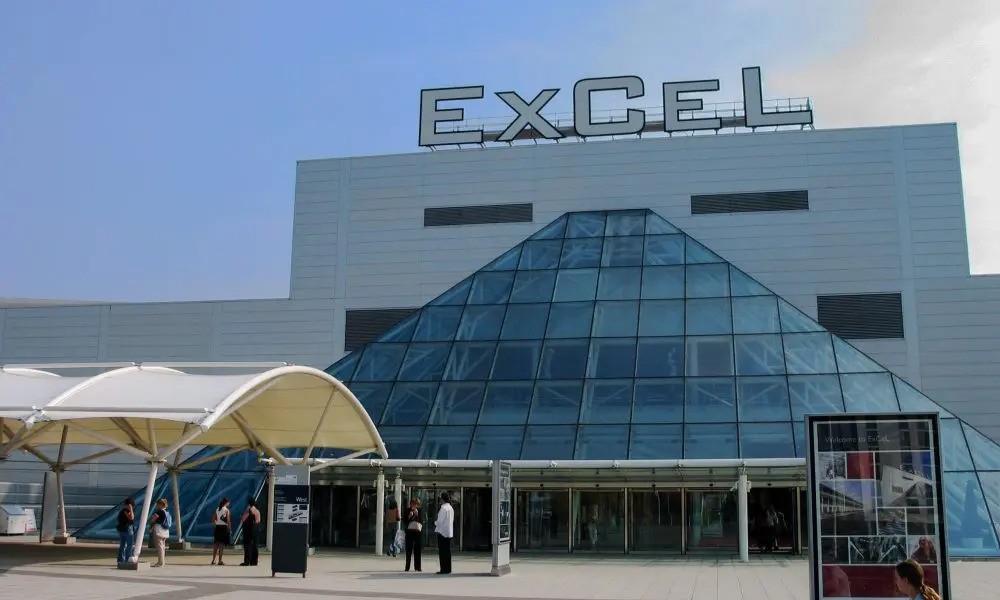
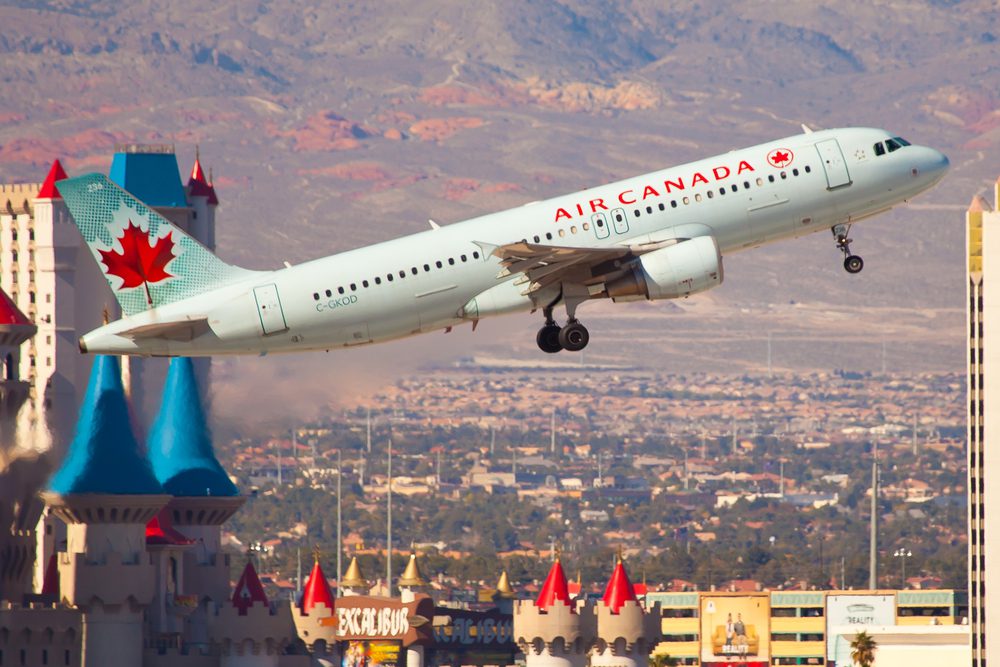
Joel Van Over ผู้อำนวยการอาวุโสของ Ailevon Pacific Aviation Consulting ที่ขอความเห็นด้านบริการทางอากาศของ LVCVA บอกคณะกรรมการของ LVCVA ว่าเดือนพฤศจิกายนและธันวาคมไม่ใช่เดือนที่แข็งแกร่งที่สุดสำหรับการให้บริการทางอากาศไปยังลาสเวกัส และกิจกรรมต่างๆดังเช่นว่า การแข่งขันฟอร์มูลาวันในเดือนพฤศจิกายน, National Finals Rodeo และ CES ในเดือนมกราคมสร้างโมเมนตัมให้กับตลาดจากมุมมองการจราจรทางอากาศที่มุ่งสู่ปี 2024
“มีโมเมนตัมมากขึ้นในฤดูหนาว” Van Over กล่าว“ฉันทราบดีว่ามันจบลงด้วยการแข่งขันซูเปอร์โบวล์ และนั่นเป็นเรื่องที่ค่อนข้างน่าทึ่งสามารถกล่าวได้มากมายเกี่ยวกับสิ่งที่ลาสเวกัสได้ทำเพื่อเติมเต็มห้องของโรงแรมและช่วยพันธมิตรสายการบินของเราห้าเดือนที่ผ่านมามันจะดีมากกว่าไม่ได้”
การเข้าร่วมงาน CES ซึ่งดึงดูดผู้เยี่ยมชมจากทั้งโลกสูงถึง 135,000 คนในปีนี้ 40% จากสถานที่ต่างประเทศ
“แขกต่างชาติจำนวนมากมาที่เมืองสำหรับ CES” Van Over กล่าว“สายการบินเพิ่ม 45 เที่ยวบินเราได้รับข้อบ่งชี้มากมายจากสายการบินว่าพวกเขามีความคิดว่ามันไม่เพียงแค่พอและยังมีอีกมากมายที่จะมาในปีหน้าCES ยังคงเติบโตอย่างต่อเนื่องมันมีขนาดใหญ่ในปี 2019 ก่อนโควิดมันกลับมาและเสียงคำรามแล้วองค์ประกอบระหว่างประเทศนั้นมีขนาดใหญ่และสายการบินจะแจ้งให้ทราบ”
Van Over กล่าวว่าการบินไปลาสเวกัสไม่เคยง่ายกว่าในขณะนี้และจากสถานที่ใหม่เขากล่าวว่า Harry Reid มีที่นั่งมากกว่า 3.4 ล้านที่นั่งมากกว่าในปี 2022 ประมาณ 9,300 ที่นั่งในแต่ละวันซึ่งช่วยสนับสนุนอีเวนต์ตัวอย่างเช่น F1, Super Bowl และ CES“เมื่อคุณเชื่อมต่อกับสถานที่จำนวนมากและที่นั่งจำนวนมาก นั่นจะจ่ายเงินปันผลจากจำนวนคนที่ผ่านไป”
จากข้อมูลของ Van Over ลาสเวกัส กำลังสร้างสถิติผู้โดยสารและรายอื่นๆ
ในขณะที่ลอสแองเจลิสและซานฟรานซิสโกยังไม่ฟื้นจากระดับ 2019 Van Over กล่าวTSA คัดกรองผู้โดยสารมากขึ้นในสนามบินเพียงแค่ 5 แห่งลาสเวกัสมีเครื่องบินเคลื่อนไหวมากที่สุดเป็นอันดับแปดในประเทศและที่นั่งมากที่สุดเป็นอันดับเจ็ดที่มาและออกไป
Steve Hill ซีอีโอ LVCVA กล่าวว่าจากมุมมองระหว่างประเทศ พวกเขามุ่งมั่นที่จะเพิ่มกำลังการผลิตและเชื่อมต่อกับส่วนต่างๆของโลกเจ้าหน้าที่การท่องเที่ยวและผู้สนับสนุนการแข่งขันนำรางวัลลาสเวกัสกรังด์ปรีซ์มาที่แถบเพื่อช่วยทำการตลาดปลายทางให้กับผู้ชมทั้งโลก
Oliver Lovat ชาวสก็อตต์ ซีอีโอของ Denstone Group บอกกับ CDC Gaming Reports ว่าเขาติดตามจำนวนผู้ยอดเยี่ยมชมระหว่างประเทศและประทับใจกับการเติบโตของพวกเขาในปี 2023 เขาคาดว่าพวกเขาจะกลับมาเป็นปกติในปี 2024ดังเช่นเดียวกับ Van Over Lovat ตั้งข้อสังเกตว่าผู้มาเยี่ยมจากต่างประเทศจะอยู่ได้นานขึ้นและใช้เงินมากขึ้น
“มีการเติบโตในตลาดต่างประเทศอย่างแน่นอน” Lovat กล่าว“กิจกรรมที่มีชื่อเสียงบางอย่าง ได้แก่ Formula 1 และการเปิดตัวของ Sphere โดยเฉพาะอย่างยิ่งอย่างยิ่ง U2 ในฐานะศิลปินระดับนานาชาติที่เล่นอยู่ที่นั่น ได้นำมาเยี่ยมชมนานาชาติอย่างแน่นอนคุณยังมี Kylie Minogue ที่ The Venetian และ Adele ที่พระราชวังซีซาร์ด้วย”
หลังจากการตัดสินใจของ ศาลฎีกาสหรัฐเทพนิยายทางกฎหมายคลายออกมาบ้าง โดยพิจารณาว่าชนเผ่าได้รับอนุญาตให้เปิดตัวแพลตฟอร์มสปอร์ตบุ๊คของตนเองอีกครั้ง ชื่อ Hard Rock Betการเปิดตัวใหม่สำเร็จใน ธันวาคมทำให้ผู้เล่นพนันในรัฐสามารถเข้าถึงตัวเลือกการเดิมพันกีฬาที่หลากหลาย
ผู้ประกอบการส่วนใหญ่กล่าวคุยคำเหมือนว่ากำลังรอสัญญาณอย่างเป็นทางการสิ่งหนึ่งดังกล่าวมาจาก AGA ซึ่งวิพากษ์วิจารณ์พระราชบัญญัติ GRIT และเตือนเกี่ยวกับอันตรายของการผ่านกฎหมายโดยไม่มีความร่วมมือที่กว้างขวางระหว่างนิติบัญญัติและเจ้าหน้าที่
Ygam, หนึ่งในนั้น สหราชอาณาจักร การพนันที่เป็นอันตรายต่อองค์กรการกุศลที่รู้จักกันดีกำลังฉลอง ปีครบรอบ 10 ปี.ความสำเร็จของมันได้รับการยกย่องจากทั้งภาคส่วนรวมถึงโดยรัฐมนตรีว่าการกระทรวงการพนัน Stuart Andrew
Henry Williams ผู้อำนวยการบริหารคณะกรรมการควบคุมการเล่นเกมมิชิแกน แสดงให้เห็นถึงการสนับสนุนอย่างมากต่อความคิดริเริ่มทางเศรษฐกิจล่าสุดของรัฐมนตรีเกรตเชน วิตเมอร์ ซึ่งกำหนดไว้ภายในคำพูดของรัฐของคุณ และเน้นบทบาทสำคัญของอุตสาหกรรมเกมของมิชิแกนในการมีส่วนช่วยในการเติบโตทางเศรษฐกิจของรัฐ